


There are many types of sealing liners. Pressure-sensitive liners bond by pressure. Foam liners seal by compression. Heat seal films bond by heat. Each has its own application. But if you ask most packaging engineers which type delivers the strongest seal and the widest range of applications, induction seal liners are the answer.
Induction seal liners use electromagnetic induction to heat the aluminum foil layer, which melts the heat seal layer and bonds it firmly to the bottle rim. The seal strength, leak protection, and tamper evidence they provide are difficult for other sealing methods to match simultaneously. That's why induction liners cover nearly every packaging category that demands reliable sealing-from pharmaceuticals to supplements, from food to cosmetics.
Within the induction liner category, the two most common structures are one-piece and two-piece. Both seal reliably. Both prevent leaks. But their structures and applications differ. This article breaks down the differences so you can find the right fit for your product.
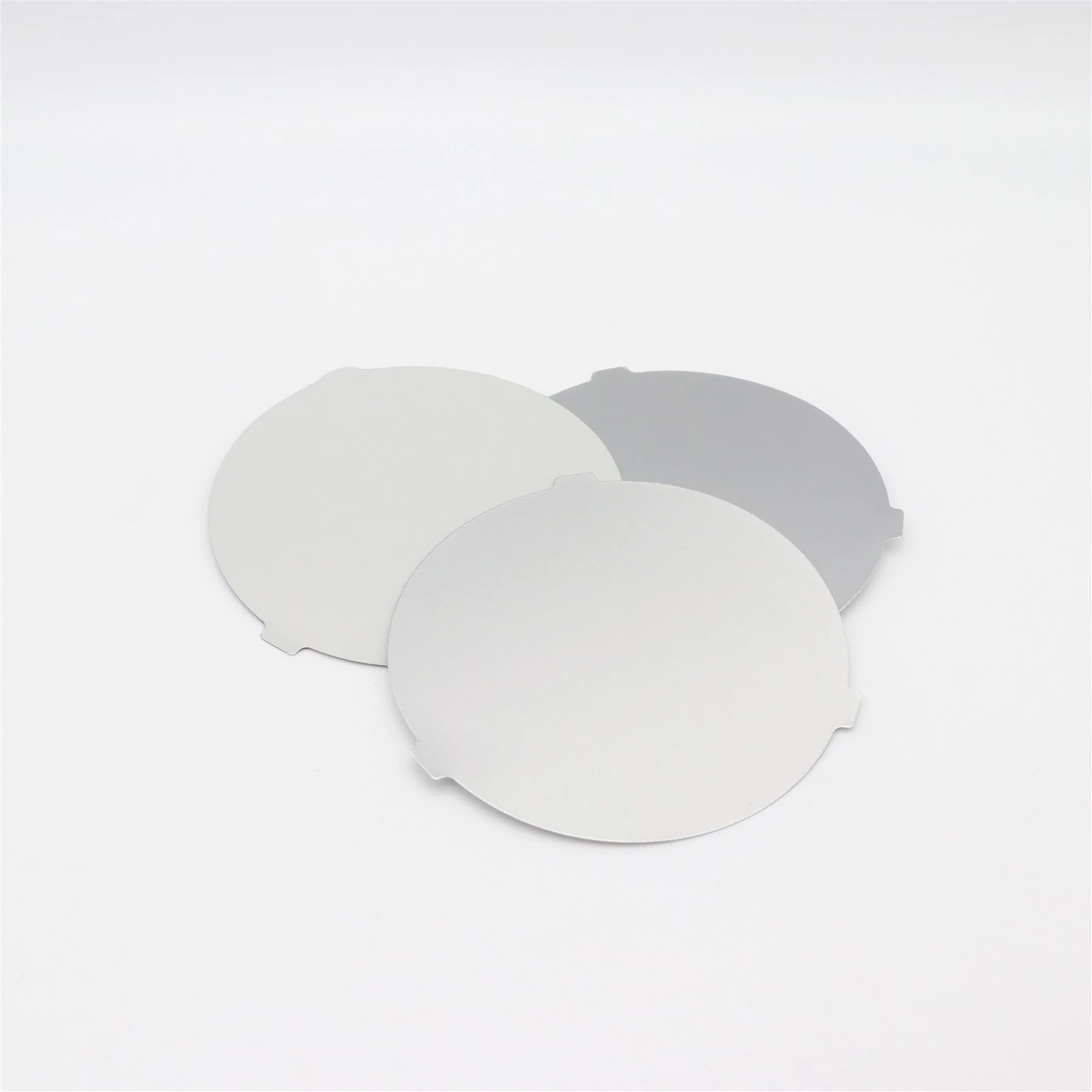
One-Piece Induction Aluminum Foil Liner

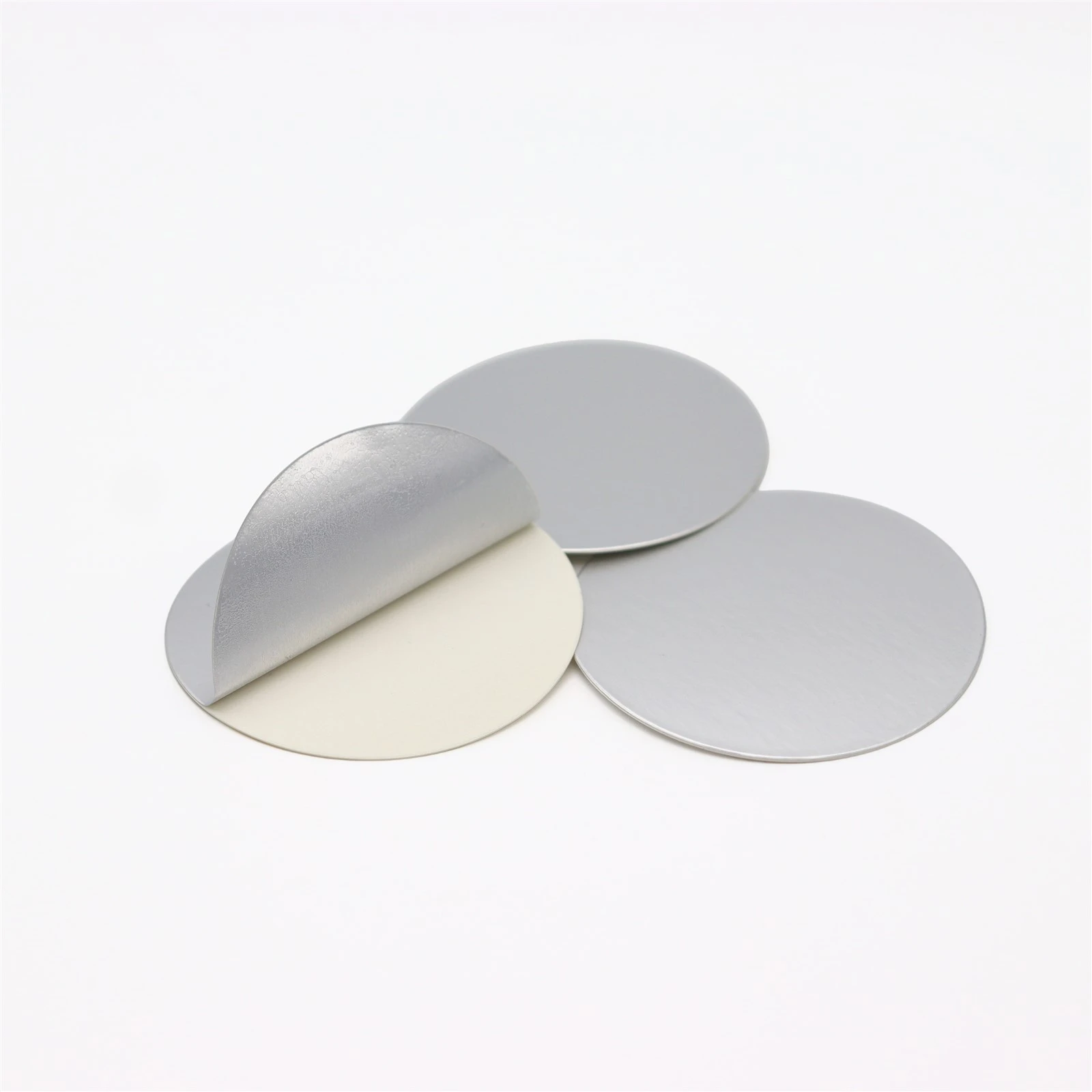
Two-Piece Induction Aluminum Foil Liner
Core Functions of Induction Seal Liners
Before comparing one-piece and two-piece, let's look at what induction liners actually solve. Regardless of structure, they deliver four core functions:
Sealing and leak prevention.
The aluminum foil layer and heat seal layer work together to form a complete physical barrier at the bottle rim. Liquids don't seep. Powders don't escape. Pressure changes and vibration during transport won't easily compromise the sealing surface.
Barrier protection.
The aluminum foil layer blocks oxygen, moisture, and light-the three primary causes of product oxidation, moisture damage, and spoilage. The barrier performance of an induction liner directly determines the product's shelf life.
Tamper evidence.
Once induction-sealed, the liner bonds firmly to the bottle rim. Any attempt to open it leaves irreversible traces. Consumers can tell at a glance whether the product has been opened.

Automation compatibility.
Induction liners can be sealed at high speed using automatic sealing machines, making them suitable for large-scale production. Compared to manual sealing methods, they offer higher efficiency and better consistency.
These four functions form the foundation of every induction liner. The difference between one-piece and two-piece comes down to how they deliver these functions-and what trade-offs each design makes.
One-Piece: Nothing Left in the Cap After Opening
In a one-piece design, all materials-aluminum foil layer, heat seal layer, support layer-are laminated into a single thin structure. After induction sealing, it bonds to the bottle rim as one unit. When the consumer opens it, the entire liner peels away from the rim. No residue remains inside the cap.
This structure is defined as a single-use packaging solution. The liner's job is to protect the product until the moment it's opened. After that, its task is complete. It doesn't carry a secondary sealing role.
Commonly used in supplements and cosmetics. The former has short usage cycles. The latter values a clean, straightforward opening experience. For middle-aged and elderly consumers, one-piece liners leave no paperboard or foam in the cap-simpler to handle.
Two-Piece: Backing Stays in the Cap After Induction Sealing
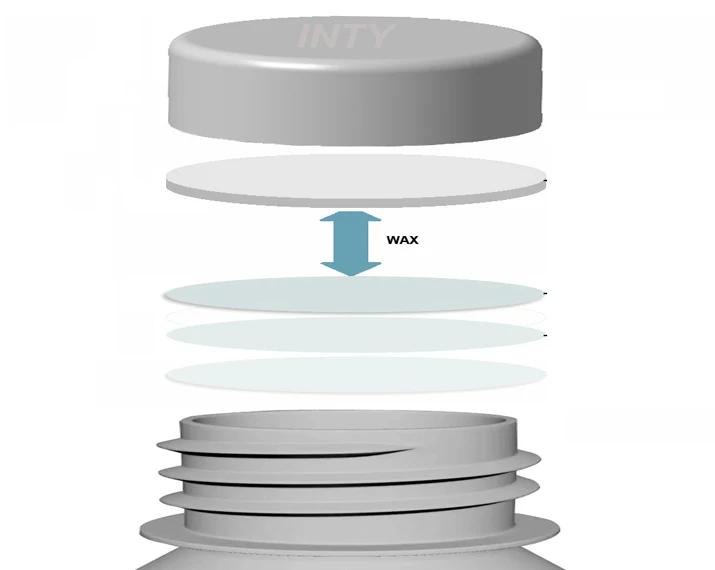
The base structure of a two-piece liner is heat seal layer + aluminum foil layer + wax + separate backing layer. During induction sealing, the heat seal layer and aluminum foil bond to the bottle rim, while the backing separates from the foil and stays inside the cap.
That retained backing serves two practical functions. First, secondary sealing: after the consumer peels off the foil layer, the backing remains in the cap. Every time the cap is screwed back on, it presses against the bottle rim, providing an extra layer of sealing. Second, cushioning: the paperboard or PE foam backing creates an elastic buffer between the cap and the bottle rim, reducing the impact of vibration on the sealing surface during transport.
Commonly used in pharmaceuticals and food. Pharmaceuticals are often taken over an extended period after opening-secondary sealing matters. Milk powder and protein powder also frequently use two-piece structures.
Key Differences at a Glance
| Feature | One-Piece | Two-Piece |
|---|---|---|
| Structure | 
All layers laminated as one unit |
Heat seal layer + foil + wax + separate backing |
| After induction | Entire liner on rim, nothing in cap | Foil on rim, backing stays in cap |
| Secondary sealing | No | Backing provides secondary seal |
| Cushioning | No | Backing absorbs impact |
| Common thickness | 0.2mm – 0.4mm | 0.6mm – 1.0mm |
| Typical applications | Supplements, cosmetics | Pharmaceuticals, food |
| User experience | Nothing left in the cap | Backing visible in the cap after opening |
| Best for | Single-use, short post-opening period | Repeated opening, long-term sealing |
How to Choose: Three Questions
Question 1: After opening, how long will the consumer keep using this product?
If it's finished within a week or two, one-piece is sufficient. For medications taken over months, or large packages of milk powder or protein powder, the secondary sealing of a two-piece is more reliable.
Question 2: How much cap clearance do you have? What liner thickness do you need?
This question directly determines whether one-piece or two-piece fits better. Two-piece liners commonly run 0.6mm to 1.0mm thick. One-piece liners run 0.2mm to 0.4mm. If the cap clearance is large, a one-piece liner may be too thin to make full contact with the entire bottle rim, compromising induction sealing. When clearance is large and a thicker liner is needed to fill the space, two-piece is usually the better fit. The most reliable way to determine the right thickness for your cap is sample testing-seal different thicknesses on your actual caps and see which one holds best.
Question 3: What's your brand's positioning on opening experience?
If the brand identity is "clean, crisp, refined," one-piece fits better. If the brand emphasizes "safe, reliable, sealed for protection," the backing retained in the cap gives consumers a tangible sense that "this product is sealed tight."
Either Way, Heat Seal Layer and Bottle Material Must Match
This applies to both types. PE bottles need a PE heat seal layer. PP bottles need a PP heat seal layer. PET bottles need a PET heat seal layer. If the materials don't match, no structure will seal properly. Confirm your bottle material first, then decide between one-piece and two-piece.
Final Thoughts
One-piece and two-piece don't have an absolute winner. The difference is functional trade-off: one-piece is simpler, suited for single-use scenarios. Two-piece adds a backing, gaining secondary sealing and cushioning in return.
If you're still unsure, the most direct approach is to get samples of both, seal a batch on your own bottles, fill with your actual product, let them sit for a few days, and have target users open them. What comes off the production line and what users feel in their hands will tell you more than any comparison table.
INTY Industrial offers complete one-piece and two-piece induction seal liner solutions, with support for custom dimensions, printing, and structural combinations. If you're selecting a liner for your product, contact us with your bottle mouth dimensions and product information. We'll help you work through the options step by step.
Frequently Asked Questions
My cap clearance is large. Can I just use a thicker one-piece liner instead of switching to two-piece?
+
-
A thicker one-piece liner is possible, but one-piece liners are typically made thin by design. If the clearance is significantly larger than what a standard one-piece can fill, two-piece is the more practical solution. Sample testing will confirm which thickness actually seals properly on your cap.
How do I know if the liner thickness matches my cap?
+
-
Sample testing. Seal liners of different thicknesses on your actual caps, using your actual induction sealing parameters. Check whether the liner makes full contact with the entire bottle rim. If the seal is uneven or partial, the thickness doesn't match.
Does the wax layer in a two-piece liner affect shelf life?
+
-
Yes. The wax layer is a time-sensitive component. Over extended storage-especially beyond one year-it can oxidize and harden, affecting clean separation. Store two-piece liners properly and use them within the recommended shelf life.
Can induction liners be used on plastic bottles?
+
-
Yes. Induction liners work on PET, PE, and PP plastic bottles, as well as glass bottles. The key is matching the heat seal layer to the bottle material. PE bottles need a PE heat seal layer, PET bottles need a PET heat seal layer. Different materials require different heat seal layer formulations.
What's the difference between an induction liner and a pressure-sensitive liner?
+
-
Induction liners require an induction sealing machine to heat and bond. They offer high seal strength and suit liquid products and applications needing tamper evidence. Pressure-sensitive liners bond through the torque of screwing down the cap-no machine needed. They suit dry products and low-volume operations. The differences in seal strength and suitable product types are significant.


